


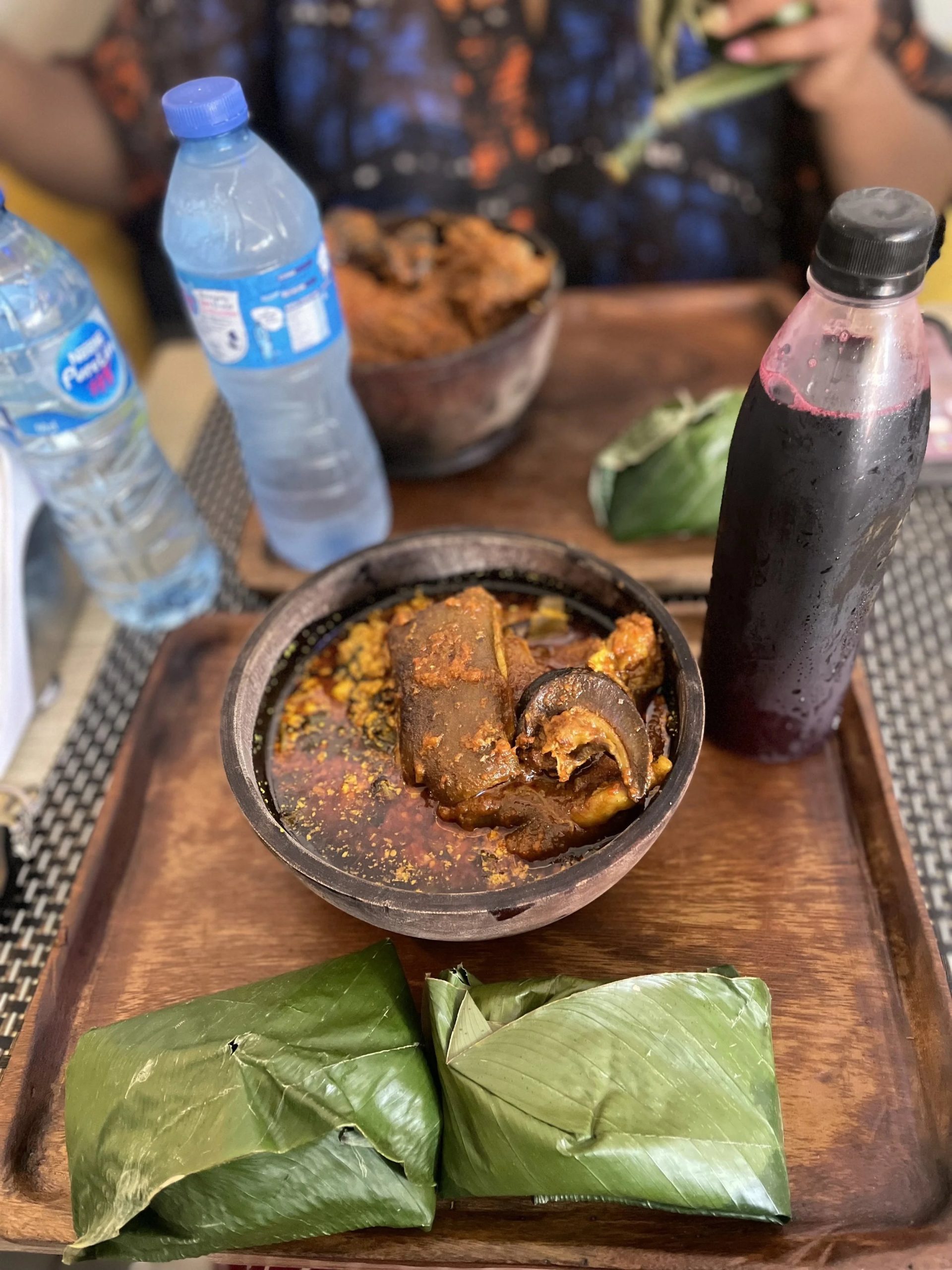
“Ile Iyan? An ancient Yoruba practice of connecting with one’s ancestors. This ritual involves offering prayers and sacrifices at a designated sacred spot. Passed down through generations, ile iyan serves as a powerful way to honor and seek guidance from departed loved ones. The significance of this tradition lies in its ability to bridge the gap between the living and the spirits, fostering a sense of belonging and spiritual continuity. Join us as we delve into the essence and impact of ile iyan in today’s modern world.”

The Wonderful World of Ile Iyan: A Closer Look at the Traditional Yoruba Kitchen
Welcome to the fascinating world of Ile Iyan, the traditional Yoruba kitchen that serves as the heart and soul of Nigerian households. In this comprehensive guide, we will delve into the rich cultural significance, cooking techniques, ingredients, and symbolism surrounding Ile Iyan. Join us on a journey through the sights, smells, and flavors of this beloved culinary tradition.
The History and Tradition of Ile Iyan
At the core of Yoruba culture lies the concept of Ile Iyan, which translates to “the house of pounded yam.” This traditional kitchen symbolizes unity, family, and communal sharing. For generations, Ile Iyan has been a place where culinary skills are passed down from mothers to daughters, preserving the heritage of Yoruba cuisine.
Stepping into an Ile Iyan is like entering a portal to the past, where ancient rituals and modern cooking techniques coexist harmoniously. The rhythmic sound of pestle hitting mortar echoes through the air, as women gather to prepare meals that nourish both the body and the spirit.
The Anatomy of Ile Iyan
Central to the Ile Iyan is the mortar and pestle, essential tools used for pounding yam, a staple in Yoruba cuisine. The mortar, typically made of wood or stone, serves as the vessel for mashing boiled yam into a smooth, stretchy consistency. The pestle, a sturdy wooden stick, is wielded with precision and strength to achieve the perfect texture.
Surrounding the mortar are various pots, pans, and utensils that play a crucial role in the cooking process. From intricate clay pots for stew to long-handled spoons for stirring soups, each item in the Ile Iyan has a specific purpose and adds to the overall culinary experience.
The Art of Pounding Yam
Pounding yam in the Ile Iyan is more than just a cooking technique—it is a form of artistry that requires skill, patience, and strength. The process begins with selecting the right variety of yam, typically white yam or water yam, known for their starchy texture and mild flavor.
After peeling and boiling the yam until tender, it is transferred to the mortar for pounding. The rhythmic motion of lifting the pestle and bringing it down with force requires a synchronized effort between the person pounding and the one turning the yam to ensure a consistent texture.
As the yam transforms from solid chunks to a smooth, elastic mass, the aroma of freshly pounded yam fills the air, signaling that the dish is nearing completion. Pounded yam is often served with traditional soups like egusi, efo riro, or obe ata, creating a harmonious blend of flavors and textures.
The Significance of Ile Iyan in Yoruba Culture
Within Yoruba culture, Ile Iyan holds a sacred place as a symbol of familial unity and tradition. It is a space where generations come together to honor the past, celebrate the present, and shape the future through the act of preparing and sharing meals.
The rituals performed in Ile Iyan are deeply rooted in spiritual beliefs and customs that date back centuries. From offering prayers to the ancestors before cooking to using specific ingredients for their symbolic meanings, every aspect of the culinary experience in Ile Iyan is infused with cultural significance.
Embracing the Spirit of Ile Iyan
As we conclude our exploration of Ile Iyan, let us reflect on the beauty and complexity of this traditional Yoruba kitchen. Beyond its practical function as a place for cooking, Ile Iyan embodies the spirit of community, creativity, and connection that transcends generations.
Whether you have had the privilege of experiencing Ile Iyan firsthand or are intrigued by the stories and traditions surrounding it, one thing is certain—Ile Iyan represents the heart and soul of Yoruba cuisine and culture, a timeless tradition that continues to inspire and nourish us in more ways than one.
Join us in celebrating the magic of Ile Iyan and the vibrant tapestry of flavors, aromas, and stories it weaves within the rich cultural landscape of Nigeria.
Life in Lagos, Nigeria: Ile-Iyan Restaurant Review #wheretoeatinlagos
Frequently Asked Questions
What is the significance of ile iyan in Yoruba culture?
In Yoruba culture, ile iyan refers to the sacred house dedicated to the worship of the goddess of fertility and motherhood, Iyami Osoronga. It serves as a place for rituals, offerings, and prayers to honor and seek the blessings of the divine feminine energy.
How is ile iyan typically constructed?
Ile iyan is traditionally built with natural materials like clay, mud, and thatch roof, creating a simple and rustic structure that blends harmoniously with nature. The design often includes symbolic elements and artwork that reflect the spiritual essence of the goddess.
Who is allowed to enter ile iyan?
Access to ile iyan is usually restricted to initiated priestesses, devotees, and individuals who are part of the Yoruba religious community. Only those who have been properly trained and initiated into the rituals and customs are granted permission to enter and participate in ceremonies.
Final Thoughts
In conclusion, ‘ile iyan’ is a traditional Nigerian dish that holds cultural significance and brings people together through its delicious flavors and shared experience. Its preparation requires time and effort, but the result is always worth it. Whether enjoyed during a family gathering or a special ceremony, ‘ile iyan’ continues to be a cherished part of Nigerian culinary heritage. Embrace the tradition and savor the taste of ‘ile iyan’ for a truly authentic dining experience that connects you to the rich history and vibrant flavors of Nigeria.