


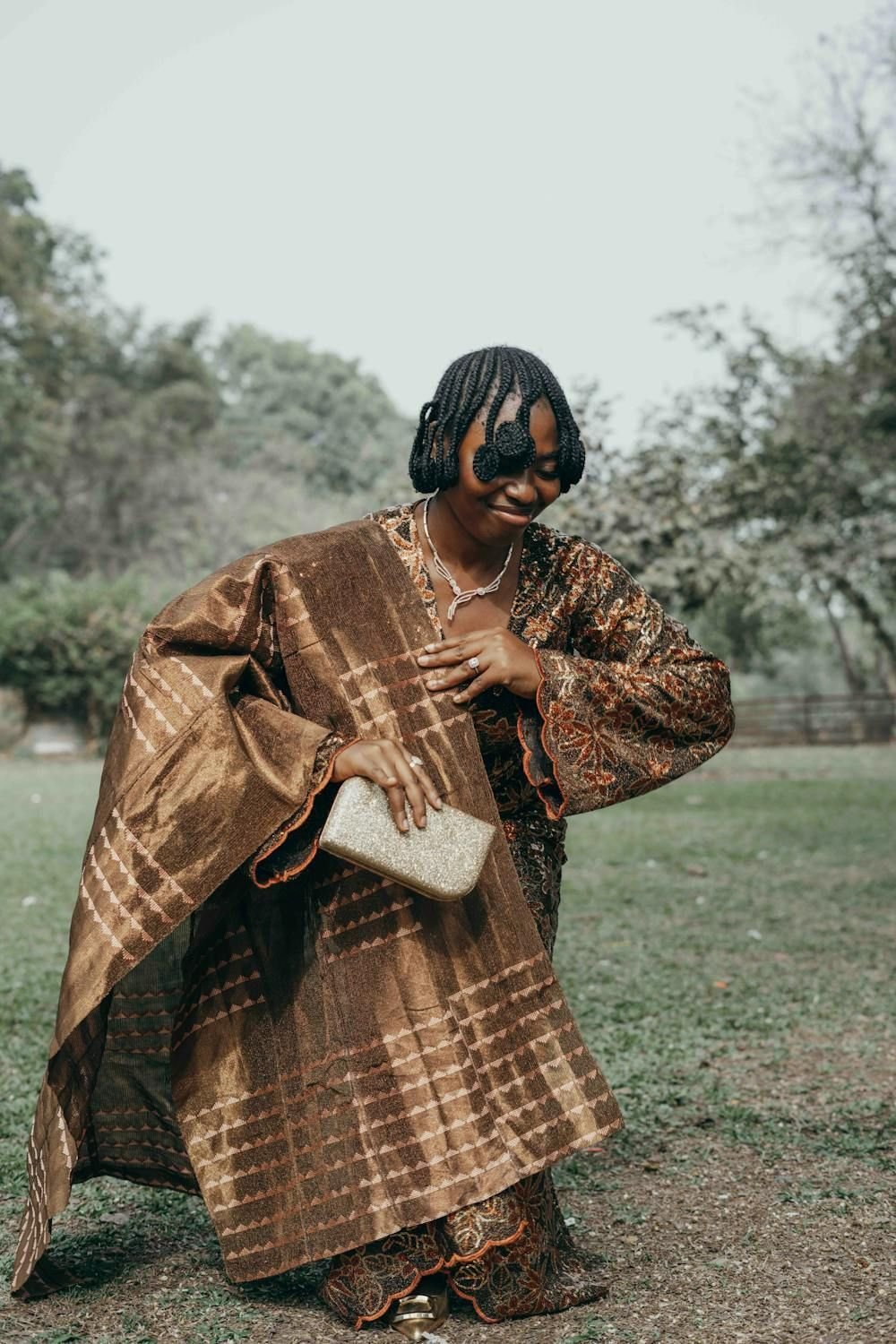
Aso oke, a traditional Nigerian fabric, embodies culture and elegance. Woven with intricate patterns and vibrant colors, aso oke is more than just a textile; it is a symbol of heritage and celebration. Passed down through generations, this handwoven cloth plays a significant role in Nigerian ceremonies and festivities. The meticulous craftsmanship and rich history behind aso oke make it a true treasure in the world of textiles, captivating hearts and souls with its timeless beauty.

The Beauty and Tradition of Aso Oke: Unveiling Nigeria’s Rich Cultural Fabric
Welcome to the vibrant world of Aso Oke, a fabric that encapsulates the essence of Nigerian culture and tradition. In this blog post, we will take a deep dive into the history, significance, and diverse styles of Aso Oke. Join us on a journey to discover the beauty and richness of this iconic textile!
The Origins of Aso Oke
Aso Oke, which translates to “top cloth” in Yoruba, is a handwoven textile that has been an integral part of Nigerian culture for centuries. Its origins can be traced back to the Yoruba people of Nigeria, who have been weaving this exquisite fabric for generations. Aso Oke is traditionally made from locally sourced materials such as cotton, silk, or metallic threads, and is known for its intricate designs and vibrant colors.
Historically, Aso Oke was reserved for special occasions such as weddings, festivals, and ceremonies, where it was worn as a symbol of prestige and cultural identity. Today, Aso Oke continues to hold a significant place in Nigerian society, with modern designs blending traditional motifs with contemporary styles.
The Significance of Aso Oke in Nigerian Culture
Aso Oke holds immense cultural significance in Nigerian society, serving as a visual representation of identity, heritage, and social status. In Yoruba tradition, the fabric is often passed down through generations, with each piece carrying its own unique history and meaning.
For many Nigerians, wearing Aso Oke is a way to honor their cultural roots and celebrate their heritage. The fabric is often worn during important life events such as weddings, naming ceremonies, and milestone celebrations, symbolizing joy, prosperity, and unity within the community.
The Diverse Styles of Aso Oke
One of the most fascinating aspects of Aso Oke is the wide variety of styles and designs available. From intricate geometric patterns to bold, modern motifs, Aso Oke offers a range of options to suit every taste and occasion.
Ipele
The Ipele is a long, rectangular piece of Aso Oke that is draped over the shoulder and worn as a shawl or wrap. It is often paired with a matching head tie, known as a Gele, to complete the traditional Yoruba attire.
Buba
The Buba is a blouse or tunic made from Aso Oke fabric, typically worn with a wrapper or skirt. It can be styled in various ways, with sleeve lengths and necklines ranging from traditional to modern interpretations.
Sokoto
The Sokoto is a pair of trousers or pants made from Aso Oke fabric, often worn by men as part of a traditional outfit. The Sokoto can be tailored to fit loosely or tightly, depending on personal preference and style.
Modern Trends and Innovations in Aso Oke
While Aso Oke has deep roots in Nigerian tradition, it has also evolved to embrace modern trends and innovations. Contemporary designers are experimenting with new weaving techniques, color combinations, and embellishments to create unique and stylish Aso Oke pieces.
From runway fashion shows to celebrity red carpet events, Aso Oke has gained international recognition for its beauty and craftsmanship. Designers are incorporating Aso Oke into haute couture collections, blending traditional Nigerian textiles with global fashion trends.
How to Wear Aso Oke with Pride
Whether you’re celebrating a special occasion or simply want to embrace your Nigerian heritage, wearing Aso Oke is a meaningful way to connect with your roots. Here are some tips on how to wear Aso Oke with pride:
Choose the Right Style
When selecting an Aso Oke outfit, consider the occasion and your personal style preferences. Whether you prefer a classic Iro and Buba ensemble or a more contemporary Aso Oke dress, choose a style that makes you feel confident and comfortable.
Accessorize Thoughtfully
Enhance your Aso Oke look with traditional Nigerian accessories such as coral beads, cowrie shells, or handmade jewelry. These accessories add a touch of authenticity and cultural flair to your ensemble, helping you stand out with pride.
Embrace Your Roots
Wearing Aso Oke is more than just putting on a beautiful outfit – it’s a way to honor your heritage and celebrate the rich tapestry of Nigerian culture. Embrace your roots with pride and confidence, knowing that you are carrying on a tradition that spans generations.
In Conclusion
Aso Oke is more than just a fabric – it is a symbol of tradition, culture, and identity that continues to thrive in the modern world. By exploring the beauty and significance of Aso Oke, we gain a deeper appreciation for the craftsmanship and artistry that goes into creating this iconic textile. Whether worn for a special occasion or as a daily expression of culture, Aso Oke remains a beloved symbol of Nigerian heritage and pride.
Join us in celebrating the beauty and tradition of Aso Oke, and discover the magic of this timeless fabric that weaves together the past, present, and future of Nigerian culture.
Classy Aso oke Styles For Ladies 2025
Frequently Asked Questions
What are the different types of Aso Oke fabric?
There are three main types of Aso Oke fabric: Alaari (red), Sanyan (beige), and Etu (blue or black). Each type has its unique characteristics and traditional uses in Nigerian culture.
How is Aso Oke fabric traditionally made?
Aso Oke fabric is traditionally handwoven by Yoruba women on a narrow strip loom called a “Tie and Dye” loom. The process involves carefully interlacing and weaving colorful threads to create intricate patterns and designs.
What occasions are Aso Oke fabrics commonly worn for?
Aso Oke fabrics are commonly worn for special occasions and celebrations in Nigerian culture, such as weddings, festivals, and important ceremonies. They are considered a symbol of prestige, tradition, and cultural heritage.
Final Thoughts
In conclusion, Aso Oke remains a timeless and versatile fabric deeply entrenched in Nigerian culture. Its vibrant colors and intricate designs continue to captivate fashion enthusiasts worldwide. From traditional ceremonies to modern runways, Aso Oke effortlessly blends cultural heritage with contemporary style. Its significance in Nigerian celebrations highlights the enduring beauty and significance of this luxurious fabric. Embrace the elegance and richness of Aso Oke in your wardrobe today.


