


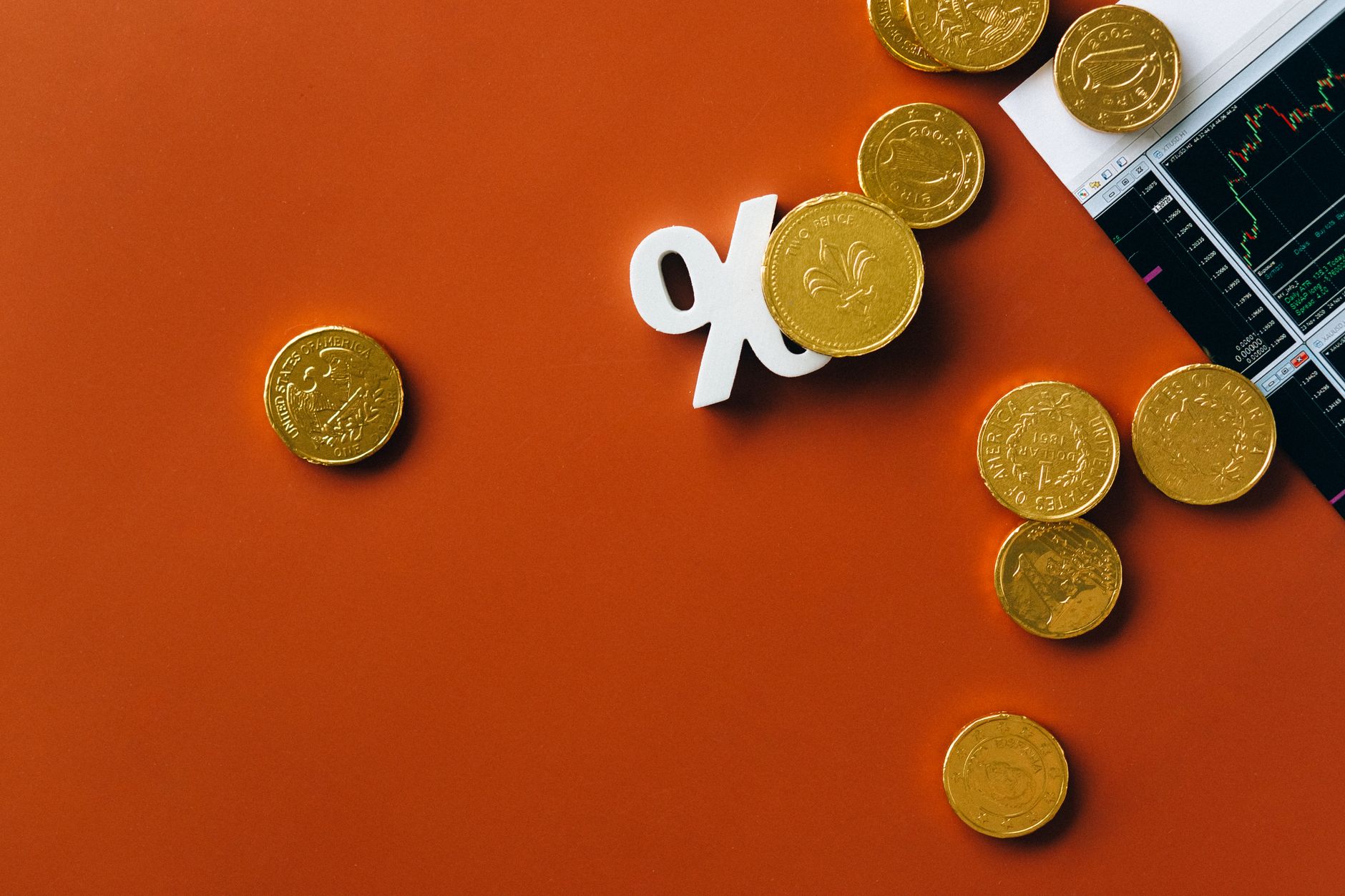
raise interest rate decisions by the Federal Reserve are set to change after five meetings on hold. This pivotal shift could reshape economic dynamics.
Understanding the Federal Reserve’s Decision
The Federal Reserve’s decision to raise interest rates comes after a prolonged period of stability, marking a significant shift in monetary policy. This move is aimed at addressing inflation concerns that have been affecting the economy.
Understanding the rationale behind this decision involves several key factors:
- Inflation Control: The primary goal is to curb rising prices that have outpaced wage growth.
- Economic Growth: A modest increase in interest rates can help prevent the economy from overheating.
- Market Stability: Gradual adjustments are intended to maintain confidence in financial markets.
By deciding to raise interest rates, the Federal Reserve aims to strike a balance between fostering economic growth and maintaining price stability, ensuring a healthier economic environment in the long run.
Impact of Interest Rate Changes on Consumers
The potential decision to raise interest rate by the Federal Reserve could have significant implications for consumers across the nation. As borrowing costs increase, individuals may face higher expenses on loans and credit cards. This change can lead to a variety of responses from consumers, including:
- Reduced Spending: Higher interest payments may encourage consumers to cut back on non-essential purchases.
- Refinancing Decisions: Homeowners may rush to refinance their mortgages before rates climb further.
- Increased Savings: Some consumers might choose to save more, anticipating further rate hikes in the future.
While a raise in interest rate can lead to tighter budgets for many, it may also help curb inflation, ultimately benefiting the economy in the long run.
Historical Context of Interest Rate Movements
The decision to raise interest rate is not made lightly, as historical trends show the complexities involved in such actions. Over the past few decades, the Federal Reserve has adjusted rates in response to varying economic conditions.
During the late 1970s and early 1980s, for instance, the Fed implemented aggressive rate hikes to combat rampant inflation, leading to significant economic shifts. In contrast, the aftermath of the 2008 financial crisis saw rates lowered to near-zero levels to stimulate growth.
More recently, the Fed maintained a cautious approach, holding rates steady for five consecutive meetings. This latest decision to raise interest rates reflects evolving economic indicators and aims to prevent overheating while ensuring continued recovery.
Understanding these historical contexts is essential for grasping the implications of current monetary policy.
Market Reactions to Rate Increases
In response to the Federal Reserve’s decision to raise interest rates, market reactions have been swift and varied. Investors closely monitor the implications of this move, as it affects borrowing costs and overall economic growth.
Following the announcement, stock markets displayed mixed reactions:
- Stock Market Volatility: Many sectors experienced fluctuations, particularly those reliant on cheap borrowing.
- Bond Market Adjustments: Bond yields surged, signaling a revaluation of future interest rate expectations.
- Consumer Sentiment: While some investors remain optimistic, others express concern about potential slowdowns in consumer spending.
Experts suggest that the rate increase could stabilize inflation but warn that it may also dampen economic momentum. As the Federal Reserve continues to raise interest rates, the market will likely remain on edge, adapting to the evolving economic landscape.
Expert Opinions on Future Rate Changes
As the Federal Reserve prepares to raise interest rates after a prolonged period of stability, economic experts have weighed in on the potential implications of this decision. Many analysts believe that increasing rates is a necessary step to combat inflation and ensure long-term economic growth.
One prominent economist stated, “A modest increase in interest rates can help stabilize prices and encourage responsible borrowing.” Others echoed this sentiment, emphasizing that the Fed’s move is aimed at striking a balance between fostering economic growth and controlling inflation.
However, some experts caution that raising rates too quickly could stifle consumer spending and slow down the recovery. They recommend a gradual approach to avoid negative impacts on the economy.
- Inflation control is a primary concern for the Federal Reserve.
- Experts advocate for careful monitoring of economic indicators.
How to Prepare for Higher Interest Rates
As the Federal Reserve prepares to raise interest rates, it is essential for consumers and businesses to take proactive steps to mitigate potential impacts. Here are some strategies to consider:
- Review Financial Plans: Assess your current financial situation and make adjustments to accommodate higher interest rates.
- Consider Debt Management: Focus on paying down existing debts, particularly those with variable interest rates, to avoid increased costs.
- Lock in Fixed Rates: If possible, secure fixed-rate loans or mortgages before rates rise further.
- Boost Savings: Increasing savings can provide a buffer against rising costs associated with higher interest rates.
- Stay Informed: Keep abreast of economic news and the Federal Reserve’s decisions to make informed financial choices.
Preparing now can help navigate the challenges of a raise in interest rates effectively.
The Role of Inflation in Rate Decisions
Inflation plays a crucial role in determining whether to raise interest rates, as it directly affects purchasing power and overall economic stability. When inflation rises beyond the Federal Reserve’s target, the need to raise interest rates becomes more pressing. This is because higher rates can help cool off an overheating economy by making borrowing more expensive, thereby reducing consumer spending and investment.
In recent months, inflation rates have shown persistent upward trends, prompting discussions among policymakers regarding the necessity to raise interest rates. Experts argue that managing inflation through rate adjustments is essential to prevent long-term economic disruption. Additionally, consumers and businesses must prepare for the implications of these changes, as sustained inflation may lead to a series of rate hikes to stabilize prices.
Ultimately, controlling inflation through interest rate increases is seen as a responsible approach to ensuring economic growth.
Potential Economic Outcomes of Rate Hikes
The decision to raise interest rates can have several potential economic outcomes that affect various sectors. Some of the key implications include:
- Slower economic growth: Higher interest rates can lead to reduced consumer spending and business investments, which may slow down economic growth.
- Increased borrowing costs: With rising rates, loans become more expensive, potentially discouraging individuals and businesses from taking on new debt.
- Impact on inflation: A rate hike can help control inflation by reducing the money supply, but it may take time for the effects to be felt.
- Currency strengthening: Higher rates may attract foreign investment, leading to a stronger national currency.
Overall, while raising interest rates is aimed at stabilizing the economy, it carries both risks and benefits that must be carefully weighed.
Many economists believe that to combat inflation effectively, it is necessary to raise interest rates. By choosing to raise interest rate, the central bank aims to stabilize prices and encourage sustainable economic growth.
Photo by Nataliya Vaitkevich on Pexels