


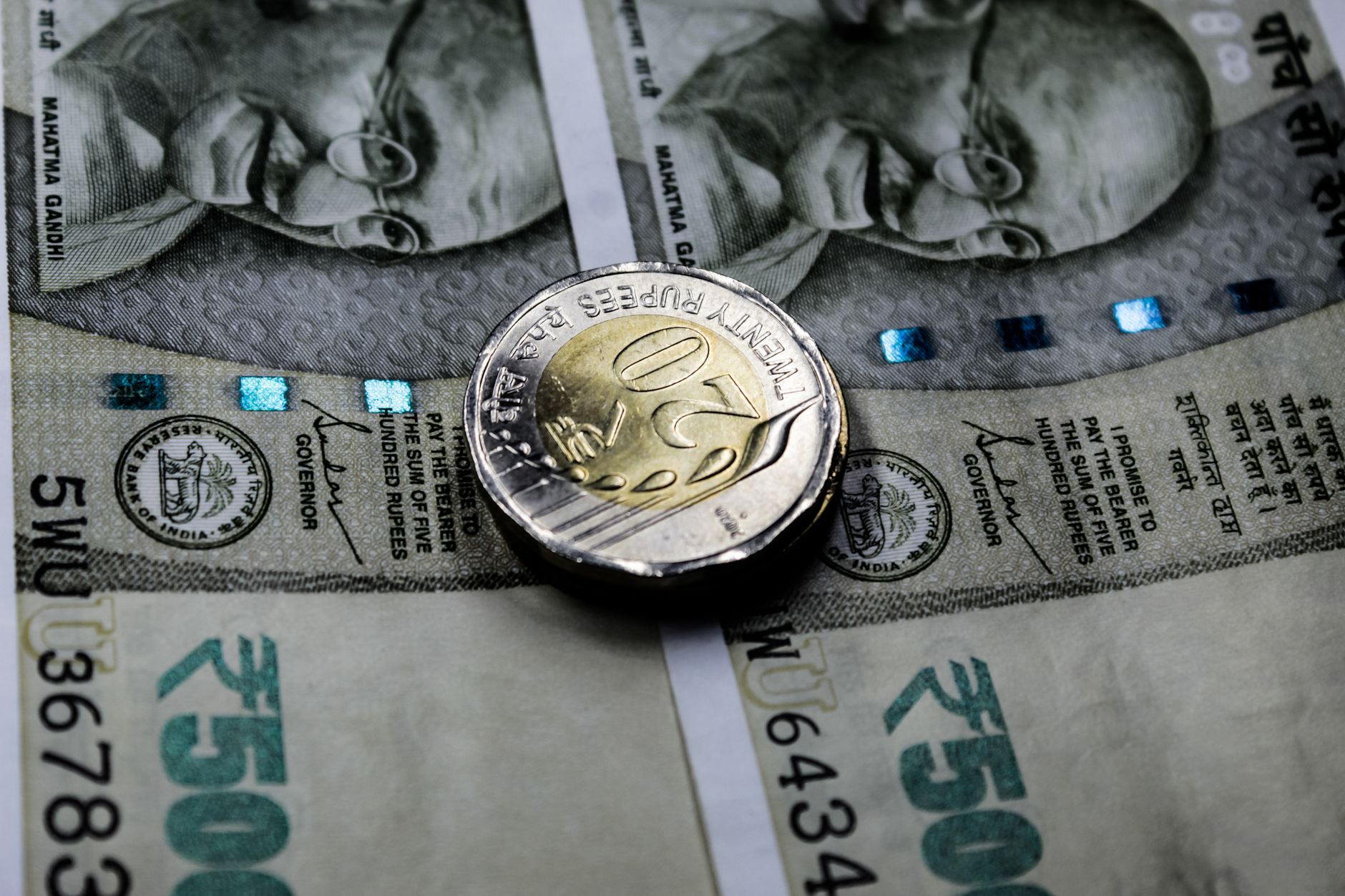
Rupee best week marks a significant achievement in the currency’s performance. This turnaround is largely attributed to strong economic fundamentals and market confidence.
Understanding the Rupee’s Recent Performance
The Indian Rupee has recently showcased its best week in seven months, marking a significant turnaround amidst fluctuating global markets. Analysts attribute this impressive performance to a combination of favorable economic indicators and strategic interventions by the Reserve Bank of India (RBI).
Key factors contributing to the Rupee’s strength include:
- Improved Trade Balance: A narrowing trade deficit has helped bolster confidence in the currency.
- Foreign Investments: Increased foreign direct investment inflows have provided much-needed support to the Rupee.
- Global Economic Sentiment: A stable outlook in major economies has positively influenced investor perceptions of the Indian market.
Moreover, the RBI’s proactive measures to stabilize the currency and manage volatility have played a crucial role. The Rupee’s best week serves as a reminder that consistent economic management and robust fundamentals are essential for sustaining growth. As the market adjusts to evolving conditions, experts suggest that maintaining these strategies will be vital for the Rupee’s long-term resilience.
Factors Behind the Rupee’s Strength
The recent surge in the Indian Rupee can be attributed to several key factors that have contributed to its best week in seven months. Analysts point to a combination of domestic and global conditions that have strengthened the currency.
- Stable Inflation Rates: The Reserve Bank of India has maintained a steady approach to inflation, which has helped bolster investor confidence in the Rupee.
- Foreign Investment: An influx of foreign direct investment (FDI) has increased demand for the Rupee, supporting its value against other currencies.
- Global Economic Recovery: As major economies show signs of recovery, the Rupee benefits from improved trade prospects and a more favorable global economic environment.
- Government Policies: Recent policy measures aimed at enhancing export competitiveness have also played a role in the Rupee’s appreciation.
- Market Sentiment: Positive market sentiment, driven by strong corporate earnings, has further supported the Rupee’s upward trajectory.
These factors collectively highlight the importance of maintaining sound fundamentals for the Rupee’s sustained strength, suggesting that the recent performance could signal a lasting turnaround.
Expert Opinions on Currency Trends
As the Rupee posts its best week in seven months, experts are weighing in on the potential for lasting growth. Analysts suggest that the recent strength of the currency is primarily driven by several key factors, including robust economic indicators and favorable market sentiment.
According to Dr. Anjali Mehta, an economist at the National Institute of Finance, “The Rupee’s performance this week reflects a significant turnaround, but maintaining this momentum will require continued vigilance on fiscal policies and global economic conditions.” She emphasizes the importance of sustainable economic practices to support the Rupee’s strength in the long term.
Rajiv Kumar, a senior currency strategist, echoes these sentiments, stating, “While the Rupee’s best week is encouraging, investors should remain cautious. The global economic landscape remains volatile, and external factors like oil prices could impact our currency.” He recommends keeping an eye on inflation rates and trade balances as critical indicators of future performance.
The consensus among experts is clear: while the recent gains are promising, a comprehensive approach to economic stability will be crucial for the Rupee’s sustained success.
Impact of Global Markets on the Rupee
The recent performance of the rupee has been significantly influenced by global market dynamics. Analysts indicate that the rupee’s best week in seven months can largely be attributed to shifting investor sentiment and geopolitical developments. As foreign investments flow into emerging markets, the rupee has gained strength against major currencies.
Several factors have contributed to this resurgence:
- Interest Rate Changes: Adjustments in global interest rates have made Indian assets more attractive, leading to increased capital inflow.
- Commodity Prices: Fluctuations in oil prices directly impact the trade balance, with lower oil prices bolstering the rupee.
- US Dollar Performance: A weakening US dollar has provided further support for the rupee, encouraging investors to diversify their portfolios.
Moreover, the central bank’s interventions have been strategic in maintaining stability. As markets react to economic data releases, the rupee has shown resilience, but experts warn that sustainability will depend on continuous monitoring of global economic indicators.
In conclusion, while the rupee’s best week reflects positive trends, its long-term growth will hinge on maintaining favorable global conditions.
Future Predictions for the Indian Rupee
As the Indian Rupee marks its best week in seven months, analysts are turning their attention to future predictions that could shape the currency’s trajectory. Several factors contribute to the outlook for the Rupee, particularly its resilience against global economic fluctuations.
Experts suggest that the following elements will play a crucial role in determining the Rupee’s future performance:
- Monetary Policy Adjustments: The Reserve Bank of India’s decisions regarding interest rates will significantly influence investor confidence and, consequently, the Rupee’s value.
- Trade Balance Improvements: A consistent reduction in trade deficits through increased exports could bolster the currency’s strength, providing support for a lasting turnaround.
- Global Economic Stability: The Rupee’s performance is closely tied to international markets; stability in developed economies could foster a favorable environment for Indian exports.
- Geopolitical Factors: Any shifts in regional politics may impact foreign investments and thus the overall strength of the Rupee.
In summary, while the Rupee’s best week is a promising sign, the path forward will depend on a combination of domestic and global influences.
How to Invest During Currency Fluctuations
Investing during periods of currency fluctuations can be challenging but also rewarding. With the rupee experiencing its best week in seven months, it is essential to adopt strategies that capitalize on these movements while minimizing risks.
Here are some key strategies to consider:
- Diversify Your Portfolio: Spread your investments across different asset classes, including equities, bonds, and commodities, to mitigate risks associated with currency volatility.
- Monitor Economic Indicators: Keep an eye on inflation rates, interest rates, and trade balances, as these can provide insights into potential currency movements.
- Utilize Hedging Techniques: Consider using options or futures contracts to protect your investments from adverse currency fluctuations.
- Invest in Foreign Assets: Look for opportunities in foreign markets that may benefit from a strong rupee, allowing you to leverage currency movements in your favor.
- Stay Informed: Regularly follow financial news and expert analyses to understand trends and make informed investment decisions.
By employing these strategies, investors can navigate currency fluctuations effectively and take advantage of the rupee’s recent performance.
Rupee’s Best Week: What It Means for Investors
The recent surge in the Indian Rupee, marking its best week in seven months, has garnered significant attention from investors and financial analysts alike. This development signals not only a temporary rebound but also highlights the potential for lasting growth in the currency.
For investors, the implications of the Rupee’s best week are multifaceted. It reflects a strengthening economy, driven by various factors such as improved trade balances and robust foreign direct investments. Understanding these dynamics can help investors make informed decisions.
Key strategies for capitalizing on this positive trend include:
- Diversification: Spread investments across different asset classes to mitigate risks.
- Market Timing: Stay abreast of currency fluctuations to optimize entry points.
- Research: Analyze economic indicators that influence the Rupee’s performance.
- Expert Guidance: Consider consulting financial advisors for personalized strategies.
In conclusion, the Rupee’s best week not only signifies a potential turnaround but also offers investors a chance to reassess their portfolios in light of the evolving market landscape.
Key Economic Indicators to Watch
As investors look to take advantage of the Rupee’s best week in seven months, it is crucial to focus on key economic indicators that could influence its trajectory. Monitoring these indicators can provide valuable insights into future performance and help guide investment decisions.
- Gross Domestic Product (GDP): The rate of economic growth is a fundamental indicator. A robust GDP suggests a strong economy, which can bolster the Rupee’s value.
- Inflation Rates: High inflation can erode currency value. Keeping an eye on inflation trends is essential for predicting potential fluctuations in the Rupee.
- Foreign Exchange Reserves: A healthy level of reserves can instill confidence among investors and support currency strength.
- Interest Rates: Changes in interest rates can significantly impact currency values. Higher rates typically attract foreign investment, boosting the Rupee.
- Trade Balance: A positive trade balance indicates more exports than imports, which is favorable for the Rupee’s valuation.
By keeping these indicators in mind, investors can better navigate the complexities of the currency market, especially as the Rupee enjoys its best week.
The Rupee best week has shown that strategic planning and market awareness can lead to significant financial gains. Investors who embraced these proven strategies during the Rupee best week have seen lasting growth in their portfolios.
Photo by Ravi Roshan on Pexels