

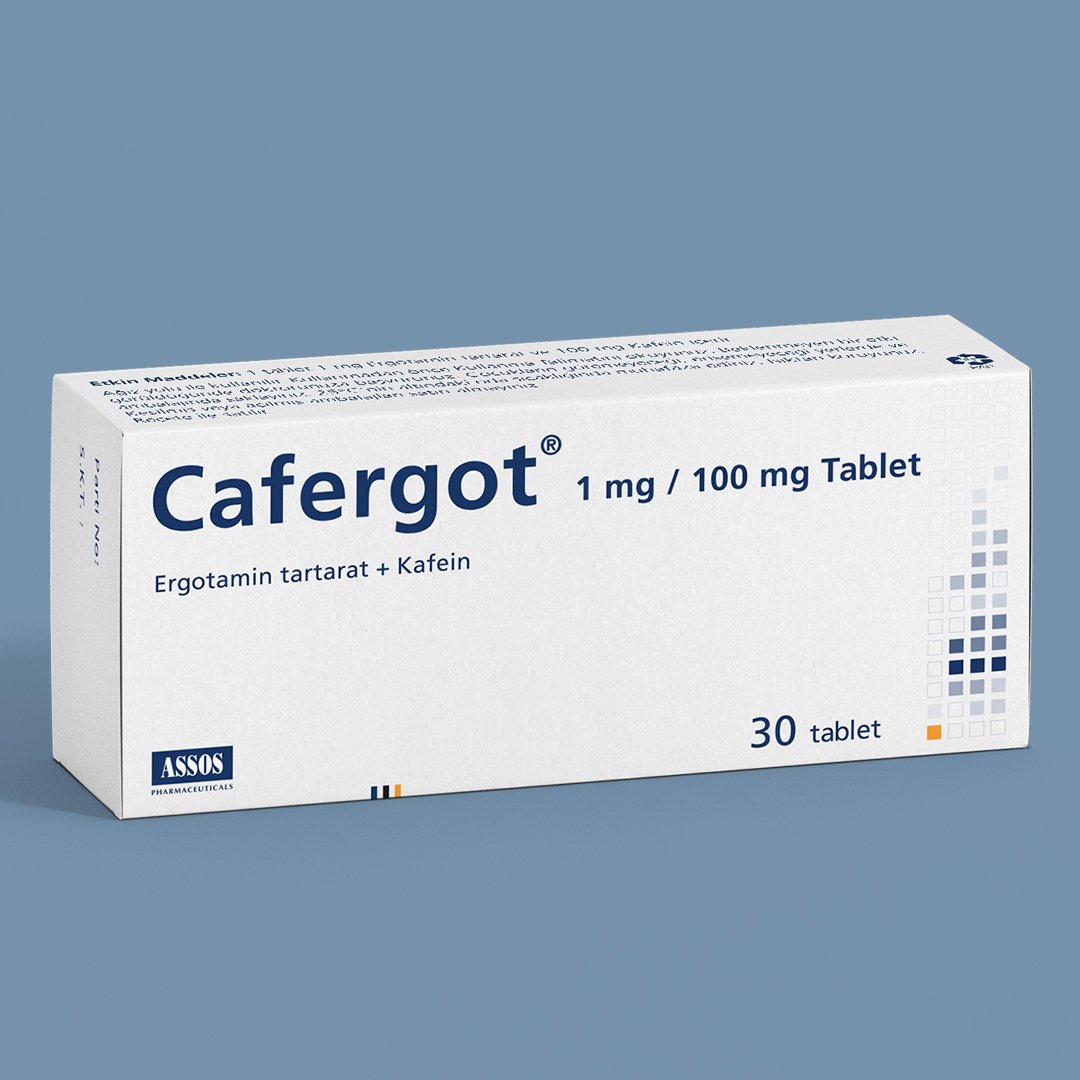
Cafergot is a powerful medication used to treat migraines. It combines caffeine and ergotamine to alleviate severe headache symptoms. Known for its effectiveness, Cafergot provides relief by constricting blood vessels in the brain. This unique combination targets the root cause of migraines, offering quick and lasting relief. It is a popular choice for those seeking rapid migraine relief. Experience the potency of Cafergot and say goodbye to migraine pain.

Understanding Cafergot: The Ultimate Guide
Welcome to our comprehensive guide on Cafergot, a medication that has been used for decades to treat migraines. In this article, we will delve into the details of Cafergot, exploring its uses, side effects, dosage, and much more. So, grab a cup of tea and let’s explore this fascinating medication together!
What is Cafergot?
Cafergot is a medication that combines two active ingredients: caffeine and ergotamine. Ergotamine belongs to a class of drugs called ergot alkaloids, which are known for their vasoconstrictive effects. On the other hand, caffeine is a stimulant that can help enhance the effects of ergotamine.
Cafergot is primarily used to treat migraines and cluster headaches. It works by constricting the blood vessels in the brain, thereby reducing the throbbing pain associated with migraines. Additionally, Cafergot can help relieve other symptoms of migraines, such as nausea and sensitivity to light and sound.
How Does Cafergot Work?
When you take Cafergot, the ergotamine in the medication binds to certain receptors in the brain called serotonin receptors. By binding to these receptors, ergotamine helps reduce the inflammation and constriction of blood vessels that occur during a migraine attack. The caffeine in Cafergot helps enhance the effects of ergotamine, making the medication more effective in alleviating migraine symptoms.
Overall, Cafergot works by targeting the underlying mechanisms that contribute to migraines, providing relief from both the pain and accompanying symptoms.
Uses of Cafergot
Cafergot is primarily used for the treatment of migraines and cluster headaches. Migraines are a common neurological condition characterized by severe headaches, often accompanied by nausea, vomiting, and sensitivity to light and sound. Cluster headaches, on the other hand, are intense headaches that occur in clusters or patterns, often around the eye area.
In addition to treating migraines and cluster headaches, Cafergot may also be used off-label for other conditions, such as certain types of vascular headaches. However, it is essential to use Cafergot only under the guidance of a healthcare professional and as prescribed.
Side Effects of Cafergot
Like all medications, Cafergot can cause side effects in some individuals. Common side effects of Cafergot may include:
Nausea and Vomiting
Some people may experience nausea or vomiting after taking Cafergot. This side effect is usually mild and may improve with continued use of the medication.
Dizziness
Cafergot can cause dizziness, especially when standing up suddenly. It is essential to stand up slowly to avoid feeling lightheaded or dizzy.
Weakness
Feeling weak or fatigued is another common side effect of Cafergot. It is essential to rest and avoid strenuous activities while taking this medication.
Leg Cramps
Some individuals may experience leg cramps or muscle pain while taking Cafergot. Drinking plenty of water and stretching can help alleviate this side effect.
If you experience severe or persistent side effects while taking Cafergot, it is crucial to contact your healthcare provider immediately.
Dosage of Cafergot
The dosage of Cafergot will vary depending on the individual’s age, medical condition, and response to treatment. It is essential to follow your healthcare provider’s instructions and the medication label carefully when taking Cafergot.
Typically, Cafergot is taken at the onset of a migraine attack. The usual dosage for adults is one to two Cafergot tablets at the first sign of a migraine, followed by additional tablets if needed after a certain interval. It is essential not to exceed the maximum recommended dosage of Cafergot in a 24-hour period.
For children or individuals with specific medical conditions, the dosage of Cafergot may be adjusted. It is essential to consult with a healthcare provider to determine the appropriate dosage for your situation.
Precautions and Considerations
Before taking Cafergot, it is essential to consider the following precautions:
Drug Interactions
Cafergot may interact with certain medications, such as protease inhibitors, macrolide antibiotics, and selective serotonin reuptake inhibitors (SSRIs). It is essential to inform your healthcare provider about all the medications you are taking to avoid potential drug interactions.
Medical Conditions
Individuals with certain medical conditions, such as hypertension, liver disease, or peripheral vascular disease, may need to avoid or use Cafergot with caution. It is crucial to discuss your medical history with your healthcare provider before starting Cafergot.
Pregnancy and Breastfeeding
Cafergot is not recommended for use during pregnancy or breastfeeding, as it may pose risks to the developing fetus or nursing infant. It is essential to discuss alternative treatment options with your healthcare provider if you are pregnant or breastfeeding.
Allergies
If you are allergic to ergotamine, caffeine, or any other ingredients in Cafergot, you should not take this medication. It is essential to read the medication label carefully and consult with your healthcare provider if you have any known allergies.
Overall, Cafergot is an effective medication for the treatment of migraines and cluster headaches when used appropriately and under the guidance of a healthcare provider. By understanding how Cafergot works, its uses, side effects, dosage, and precautions, you can make informed decisions about its use in managing migraine attacks.
We hope this guide has provided you with valuable insights into Cafergot and its role in migraine treatment. Remember always to consult with your healthcare provider before starting any new medication or changing your treatment regimen. Stay informed, stay healthy, and take care!
How to use Cafergot – Explain Uses,Side Effects,Interactions
Frequently Asked Questions
What is Cafergot used for?
Cafergot is a medication primarily used to treat migraine headaches. It contains a combination of caffeine and ergotamine, which work together to constrict blood vessels in the brain, helping to relieve symptoms of migraines.
How should I take Cafergot?
Cafergot comes in the form of tablets or suppositories. It is important to follow the dosage instructions provided by your healthcare provider. Typically, Cafergot is taken at the onset of migraine symptoms, with a full glass of water. Do not exceed the recommended dose, as it can lead to serious side effects.
What are the potential side effects of Cafergot?
Common side effects of Cafergot may include nausea, vomiting, dizziness, and weakness. More serious side effects can include chest pain, rapid heart rate, or signs of circulation problems. It is important to seek medical attention if you experience any severe side effects while taking Cafergot.
Can I take other medications along with Cafergot?
Before taking any other medications alongside Cafergot, consult your healthcare provider or pharmacist. Cafergot may interact with certain drugs, such as certain antibiotics or antifungal medications, potentially leading to harmful effects. It is crucial to disclose all medications you are taking to avoid adverse reactions.
Final Thoughts
Cafergot provides effective relief for migraines due to its combination of caffeine and ergotamine. It works by narrowing blood vessels in the brain, reducing migraine symptoms. Despite its effectiveness, caution is advised due to potential side effects like nausea and dizziness. Individuals with certain medical conditions should consult a healthcare provider before using Cafergot. In conclusion, Cafergot remains a valuable option for managing migraines, but users should be aware of its potential risks and consult a healthcare professional if needed.