


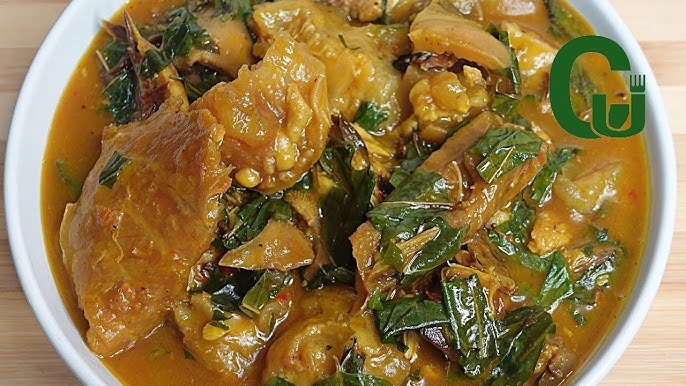
Oha soup, a traditional Nigerian delicacy bursting with flavor! Made from tender oha leaves, this dish is a true culinary delight. The vibrant green leaves lend a unique taste and aroma to the soup, creating a perfect blend of freshness and richness. As you simmer the ingredients together, the tantalizing scents fill your kitchen, preparing your senses for a delicious feast. With each spoonful of oha soup, you experience a symphony of flavors that will leave you craving for more. Let’s explore the secrets behind this beloved African dish!

The Wonders of Oha Soup: A Delicious Nigerian Delight
Welcome to the world of Nigerian cuisine, where flavors abound and dishes tell stories of tradition and culture. Today, we’re diving into the vibrant and tantalizing world of Oha soup. This traditional Nigerian soup is not only a feast for the taste buds but also a delightful celebration of local ingredients and culinary heritage.
What is Oha Soup?
Oha soup, also known as Ora soup, is a popular traditional dish originating from the Igbo tribe in Nigeria. It is a flavorful soup made with Oha leaves, which are tender, slightly bitter leaves that add a unique taste to the dish. Oha soup is often enjoyed with a side of fufu or pounded yam, creating a hearty and satisfying meal.
The Ingredients
One of the things that make Oha soup so special is its diverse range of ingredients. While the star of the show is the Oha leaves, the soup also typically includes protein-rich meats such as goat meat, beef, or assorted meats. Other key ingredients include palm oil, crayfish, stockfish, and a blend of traditional spices and seasonings that give the soup its distinctive flavor profile.
Oha Leaves
The Oha leaves are what give this soup its unique flavor and aroma. These dark green leaves are rich in vitamins and minerals, adding a nutritious element to the dish. Typically, the leaves are sliced thinly to release their flavor and aroma, enhancing the overall taste of the soup.
Protein-Rich Meats
Meats like goat meat, beef, or assorted meats are commonly used in Oha soup to add richness and depth to the dish. The meats are usually seasoned and cooked until tender before being added to the simmering pot of soup, infusing it with their savory goodness.
Palm Oil and Traditional Spices
Palm oil is a staple in Nigerian cuisine and is often used in Oha soup to give it a rich, reddish color and a distinctive flavor. Traditional spices like uziza seeds, crayfish, and locust beans are added to enhance the taste and aroma of the soup, creating a symphony of flavors that delights the palate.
The Cooking Process
Cooking Oha soup is a labor of love that involves a few key steps to ensure the perfect balance of flavors and textures. The process typically begins with preparing the meats and stockfish, which are simmered until tender. The Oha leaves are then thinly sliced and added to the pot along with the palm oil, crayfish, and spices.
The soup is allowed to simmer gently, allowing the flavors to meld together and create a harmonious blend of tastes. Stirring occasionally helps to prevent sticking and ensures that the ingredients are evenly distributed throughout the soup. Once the soup reaches a rich and flavorful consistency, it is ready to be served hot and enjoyed with a side of fufu or pounded yam.
The Health Benefits of Oha Soup
Aside from its delicious taste, Oha soup also offers numerous health benefits thanks to its nutrient-rich ingredients. The Oha leaves are packed with vitamins A and C, as well as iron and calcium, making them a nutritious addition to your diet. The protein from the meats helps to support muscle growth and repair, while the palm oil provides essential fatty acids that are beneficial for heart health.
Additionally, the traditional spices and seasonings used in Oha soup, such as uziza seeds and crayfish, offer antioxidant properties that help to boost the immune system and protect against chronic diseases. By incorporating Oha soup into your diet, you can enjoy a delicious and wholesome meal that nourishes both your body and soul.
Oha soup is more than just a dish; it is a culinary experience that embodies the rich cultural heritage of Nigeria. From the flavorful Oha leaves to the aromatic spices and hearty meats, every ingredient plays a crucial role in creating this beloved dish.
Whether you’re a fan of Nigerian cuisine or looking to explore new flavors, Oha soup is a must-try dish that will transport you to the bustling markets and vibrant kitchens of Nigeria. So, gather your ingredients, fire up your stove, and prepare to savor the delicious taste of Oha soup – a true Nigerian delight!
How to cook rich oha / ora soup with fresh oha & Uziza leaf. This is the best way to cook oha soup
Frequently Asked Questions
What are the main ingredients used in Oha soup?
Oha soup typically consists of oha leaves, cocoyam paste, palm oil, assorted meats (such as beef, cow tripe, and stockfish), crayfish, and seasonings like salt and pepper. The combination of these ingredients gives the soup its rich and savory flavor.
How is Oha soup traditionally prepared?
To prepare Oha soup, the oha leaves are washed and shredded, then combined with the cocoyam paste to thicken the soup. The assorted meats are cooked until tender, and then the palm oil, crayfish, and other seasonings are added. Finally, the shredded oha leaves are incorporated into the soup, simmered, and served hot.
Can Oha soup be enjoyed by vegetarians?
While Oha soup traditionally includes assorted meats, vegetarians can still enjoy a delicious version of the soup by omitting the meat and using vegetable broth or seasoning for added flavor. The key ingredients like oha leaves, cocoyam paste, and palm oil provide a satisfying and flavorful base for a vegetarian-friendly Oha soup.
Final Thoughts
In conclusion, oha soup is a flavorful and nutritious dish that holds a special place in Nigerian cuisine. Its rich blend of ingredients, including oha leaves and assorted meats, creates a harmonious and satisfying flavor profile. Whether enjoyed on its own or paired with fufu or rice, oha soup delights the taste buds and nourishes the body. With its cultural significance and delicious taste, oha soup truly exemplifies the best of Nigerian culinary traditions.