


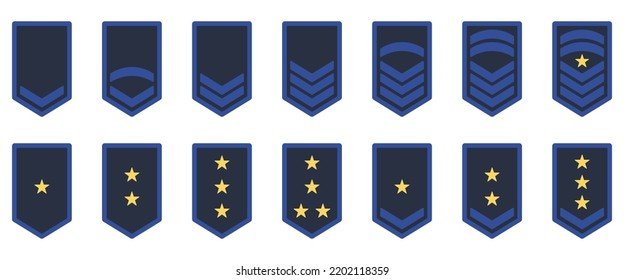
Curious about the list of police ranks and symbols? From constables to commissioners, each badge signifies a unique role and authority within law enforcement. Understanding these insignias can offer insight into the hierarchy of the police force. Delve into the world of police ranks and symbols to gain a deeper appreciation for the individuals who serve and protect our communities. Explore the diverse array of titles and emblems that make up this vital system of law enforcement. Let’s unravel the significance behind each rank and symbol, shedding light on the intricate structure of the police force.

List of Police Ranks and Symbols
Welcome to our comprehensive guide on police ranks and symbols. Police departments around the world use a strict hierarchy to establish order and maintain law enforcement. This hierarchy is reflected in the various ranks and symbols that officers wear to signify their position and responsibilities. In this article, we will delve into the different police ranks and symbols commonly seen in law enforcement agencies.
The Importance of Police Ranks
Police ranks are crucial for maintaining order within a police force. Each rank comes with its own set of responsibilities and authority levels. Understanding the hierarchies within a police department helps officers know who to report to, who they supervise, and how to navigate the chain of command effectively.
Common Police Ranks
Let’s start by exploring some of the most common police ranks you might encounter:
1. Police Officer
The entry-level position in most police departments is that of a Police Officer. These officers are responsible for patrolling neighborhoods, responding to calls, and enforcing laws.
2. Sergeant
Sergeants are typically in charge of a team of police officers. They supervise daily operations, provide guidance to junior officers, and ensure that tasks are carried out efficiently.
3. Lieutenant
Lieutenants hold a higher rank than sergeants and are responsible for overseeing larger sections of a police department. They often assist in making strategic decisions and coordinating resources.
4. Captain
Captains are high-ranking officers who manage entire divisions within a police department. They are responsible for setting departmental goals, implementing policies, and ensuring that operations run smoothly.
5. Chief of Police
The Chief of Police is the highest-ranking officer in a police department. They are responsible for the overall strategic direction of the department, setting policies, and representing the department in the community and to higher authorities.
Police Rank Symbols
Police officers often wear various symbols on their uniforms to signify their ranks. These symbols help civilians and other officers quickly identify an officer’s position within the department. Let’s take a look at some common police rank symbols:
Badges
One of the most recognizable symbols of a police officer’s rank is their badge. Badges come in various shapes and designs, with each rank typically having a distinct badge that signifies their position within the department.
Shoulder Stripes
Many police uniforms feature shoulder stripes that indicate an officer’s rank. The number and color of stripes can vary depending on the department, but they are a quick way to identify an officer’s position.
Collar Insignia
Collar insignias are another common way to display a police officer’s rank. These insignias are typically worn on the collar of the uniform and often feature symbols or stripes that represent different ranks.
Ribbons and Medals
In addition to badges and shoulder stripes, police officers may also wear ribbons and medals on their uniforms to signify accomplishments or special commendations. These awards can help distinguish officers who have gone above and beyond in their duties.
Specialized Police Ranks
Aside from the common ranks found in most police departments, there are also specialized ranks that officers can attain based on their expertise or assignment. Some of these specialized ranks include:
Detective
Detectives are police officers who specialize in investigating crimes. They are responsible for gathering evidence, interviewing witnesses, and solving complex cases.
SWAT Officer
SWAT (Special Weapons and Tactics) officers are highly trained members of a police department who handle high-risk situations such as hostage rescues or armed standoffs. They undergo specialized training to deal with dangerous scenarios.
K-9 Officer
K-9 officers work with police dogs to assist in various law enforcement tasks such as tracking suspects, detecting drugs or explosives, and providing support during search operations. These officers have a special bond with their canine partners.
Police ranks and symbols play a crucial role in maintaining order and efficiency within law enforcement agencies. By understanding the various ranks and symbols, both officers and civilians can navigate the hierarchy of a police department more effectively. Next time you see a police officer in uniform, take a moment to look at their rank symbols and appreciate the dedication and hard work that goes into serving and protecting our communities.
We hope this guide has provided you with valuable insights into the world of police ranks and symbols. Stay safe, and remember to respect and support our law enforcement officers who work tirelessly to keep us all safe.
Every US Police Ranks in Metropolitan,state & Sheriff’s departments
Frequently Asked Questions
What are some common police ranks and their symbols?
In many police departments, common ranks include Police Officer, Sergeant, Lieutenant, Captain, and Chief. Each rank is typically represented by specific badges, insignias, or stripes on the uniform to signify the individual’s position in the hierarchy.
How can you differentiate between various police ranks based on their symbols?
Police ranks are often distinguished by the type and arrangement of symbols on the uniform. For example, a Police Officer might have a single star badge, while a Sergeant may have two or three chevrons. A Captain might display four bars, and a Chief may have a unique symbol like an eagle or a crown.
Do police ranks and symbols vary across different law enforcement agencies?
Yes, police ranks and symbols can vary between different law enforcement agencies, regions, and countries. While general ranks like Officer, Sergeant, and Lieutenant are common, the specific symbols and insignias used to represent these ranks can differ based on organizational preferences and traditions.
Final Thoughts
In conclusion, understanding the list of police ranks and symbols is essential for recognizing the hierarchy within law enforcement agencies. By familiarizing ourselves with these ranks and symbols, we can appreciate the structure and authority that governs police departments worldwide. This knowledge not only aids in addressing officers correctly but also demonstrates respect for their roles and responsibilities. Mastering the various police ranks and symbols enriches our understanding of the intricate workings of law enforcement organizations.