


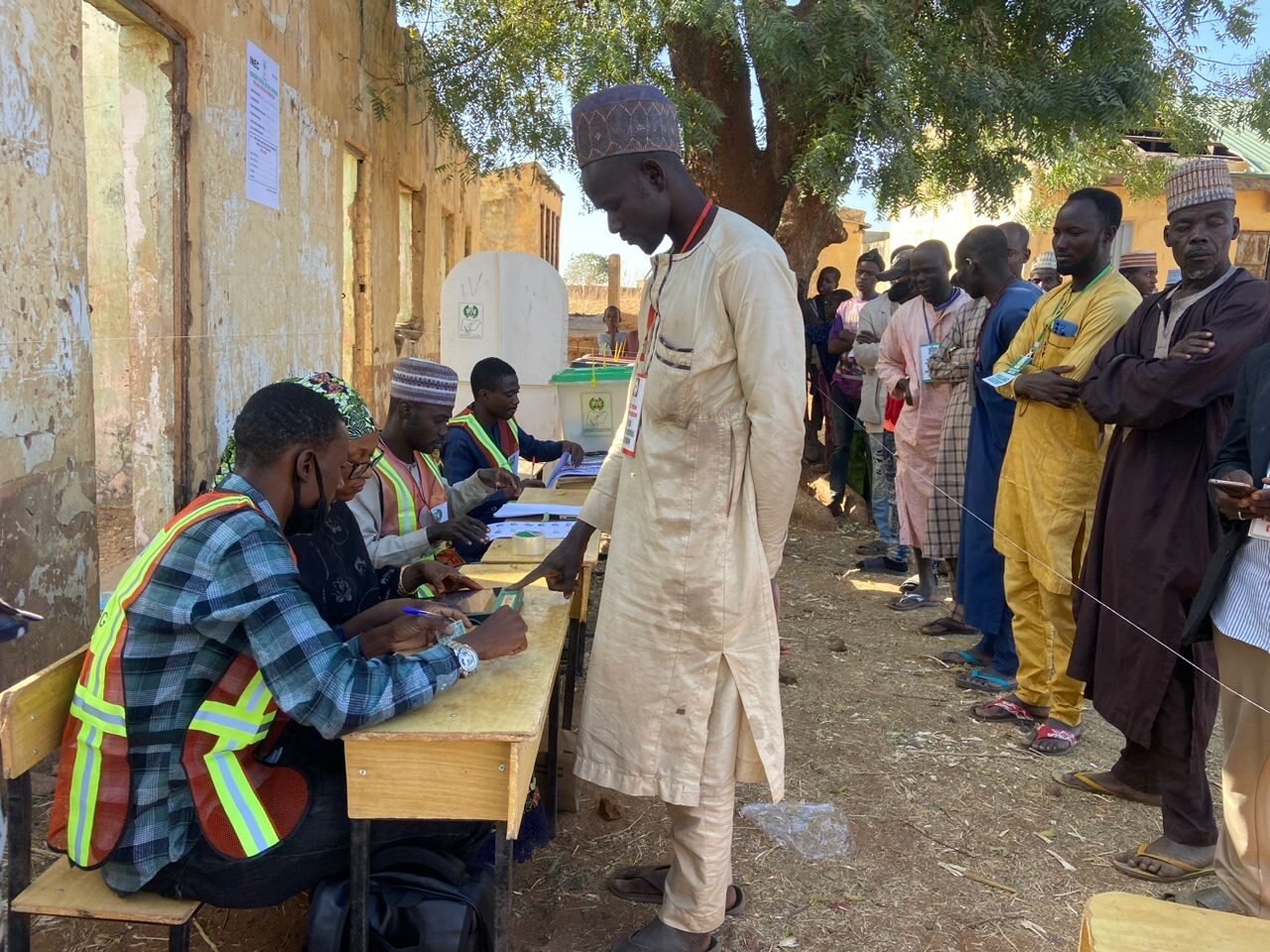
A polling unit is where citizens exercise their democratic right to vote. It acts as the fundamental building block of the electoral process, embodying the essence of democracy. Within these units, voices are amplified through the power of a single vote. With each choice made, the collective will of a nation takes shape. The significance of the polling unit cannot be overstated in shaping the future of a society.

The Importance of Polling Units in Elections
Welcome to our blog post where we dive into the fascinating world of polling units! In this article, we will explore what polling units are, why they are crucial in elections, how they operate, and their impact on democracy. So, grab a seat and let’s unravel the mystery behind these essential components of the electoral process!
What is a Polling Unit?
A polling unit is a designated location where voters go to cast their votes during elections. It serves as a centralized place where eligible voters in a particular area can exercise their right to choose their preferred candidates for various political offices.
Each polling unit is set up to ensure that the voting process is conducted in an organized and transparent manner. It typically consists of polling booths, ballot boxes, election officials, and other necessary equipment to facilitate the voting process.
Why Are Polling Units Important?
Polling units play a vital role in the electoral process for several reasons:
1. Accessibility to Voters
By establishing polling units in different locations, electoral authorities ensure that voters do not have to travel long distances to cast their votes. This accessibility is essential to encourage maximum participation in the electoral process and promote inclusivity.
2. Ensuring Fairness and Transparency
Having designated polling units helps to maintain the integrity of the voting process. It allows for proper monitoring of the elections by election officials, observers, and other stakeholders to ensure that votes are cast and counted fairly and transparently.
3. Preventing Electoral Fraud
With polling units in place, the chances of electoral fraud are significantly reduced. The controlled environment of a polling unit makes it harder for individuals to engage in malpractices such as multiple voting or tampering with ballot boxes.
How Do Polling Units Operate?
On Election Day, polling units open their doors to registered voters who present themselves with valid identification. Voters are typically required to queue up, verify their identities, and then proceed to cast their votes in the privacy of a polling booth.
Trained election officials oversee the voting process, ensuring that it proceeds smoothly and without any disruptions. Once the voting period ends, the ballot boxes are sealed, and the counting process begins to determine the outcome of the election in that polling unit.
Impact of Polling Units on Democracy
The presence of polling units is crucial for the health of any democratic system. They serve as the cornerstone of free and fair elections, allowing citizens to participate actively in the governance of their country. Without polling units, the electoral process would lack credibility and legitimacy.
By providing a structured framework for voting, polling units contribute to the peaceful transfer of power and help uphold the fundamental principles of democracy. They empower citizens to have a voice in choosing their leaders and holding them accountable for their actions.
In conclusion, polling units are not just physical locations where voting takes place; they are the bedrock of democracy. Their existence ensures that elections are conducted in a transparent, fair, and inclusive manner, ultimately strengthening the democratic fabric of a society.
So, the next time you step into a polling unit to cast your vote, remember the significance of this humble yet powerful institution in shaping the course of history through peaceful and participatory means. Your vote matters, and polling units are there to safeguard and uphold your democratic rights!
Thank you for joining us on this enlightening journey through the world of polling units. Stay informed, stay engaged, and let your voice be heard through the sanctity of the polling unit!
Large Turnout Of Residents Recorded At Various Polling Unit
Frequently Asked Questions
What is a polling unit?
A polling unit is a specific location or area designated for voting during elections. It is where eligible voters go to cast their votes for their preferred candidates or choices in an election.
How are polling units determined?
Polling units are determined by election authorities based on factors such as population size, geographical location, and accessibility. The aim is to ensure that voters can easily access and participate in the voting process.
Can I vote at any polling unit?
No, you can only vote at the polling unit where you are registered to vote. Each voter is assigned to a specific polling unit based on their residential address provided during voter registration.
What should I bring to a polling unit on Election Day?
When going to a polling unit on Election Day, you should bring your voter’s card or any other identification document specified by the electoral commission. It is essential to have the necessary documents to prove your eligibility to vote.
Final Thoughts
Polling units play a crucial role in the electoral process, providing a central location for citizens to cast their votes. The efficiency and accessibility of polling units are essential in ensuring fair and transparent elections. Improving the infrastructure and management of polling units can help enhance voter participation and confidence in the democratic process. In conclusion, the effectiveness of polling units directly impacts the integrity of elections, making them a fundamental aspect of democracy.